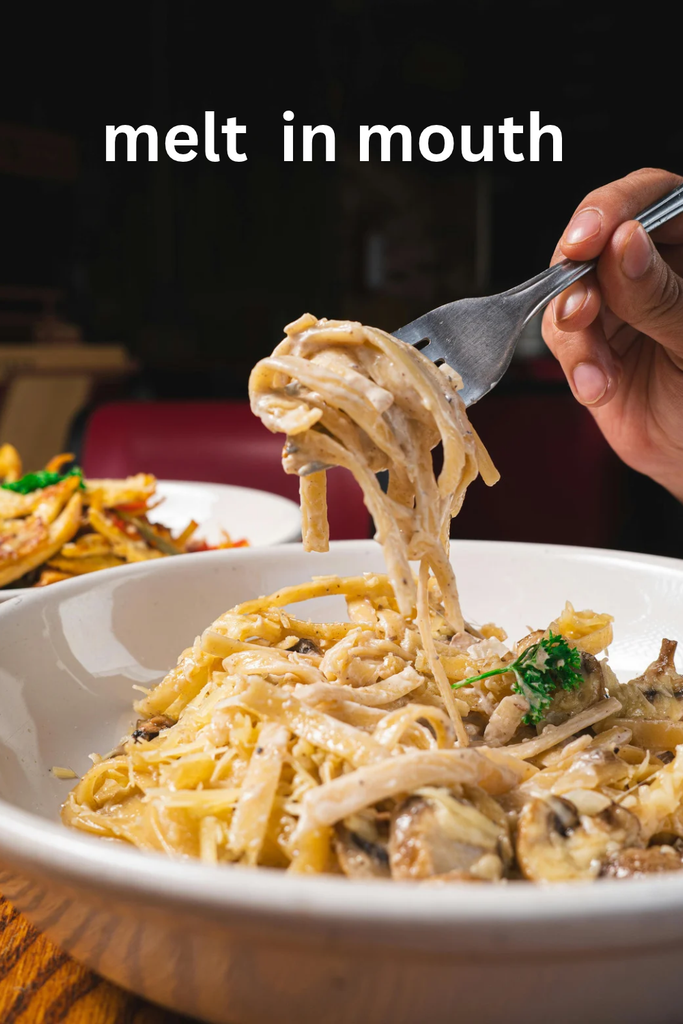
when i made Cottage Cheese Alfredo first time honestly, it turned out so good that everyone was licking their fingers! My family loved it the very first time , and now they asking me to make it again. The best part of this it’s easy and quick to make—we do not have to follow any long or difficult steps. Plus, it’s both creamy and healthy because we use cottage cheese instead of heavy cream. Cottage cheese has a lot of protein, which is good for our muscles and our health. Plus, it has garlic, which strengthens our immunity and also makes the sauce amazing. If you haven’t tried this Alfredo yet, you’re missing out on a really delicious dish—you definitely need to try it.I love this pasta recipe because it is super quick to make and absolutely delicious. I made this alfredo when I am very busy . It’s also my secret weapon when unexpected guests arrive—It gets ready quickly , and everyone always loves it!
Why You’ll Love This Recipe
Creamy without heavy cream: Blended cottage cheese and Parmesan make a smooth, cheesy sauce.
A little extra protein: Cottage cheese contributes protein alongside the pasta.
Straightforward ingredients: You can make the sauce with a few familiar kitchen staples.
Easy to change: Add cooked chicken, mushrooms, spinach, or broccoli to make the dish your own.
Ingredients List
This recipe makes 4 servings.
For the Pasta
12 ounces (340 g) fettuccine or pasta of your choice
Salt, for the cooking water
For the Sauce
1 cup (225 g) cottage cheese
1/2 cup (50 g) freshly grated Parmesan cheese
2 garlic cloves, finely minced
1 tablespoon olive oil or unsalted butter
1/2 teaspoon Italian seasoning
1/4 teaspoon black pepper
Salt, to taste
1/4 to 1/2 cup reserved pasta water
Optional Toppings
Chopped fresh parsley
Extra Parmesan cheese
Red pepper flakes
Cooked chicken or steamed broccoli
Step-by-Step Instructions
Step 1: Cook the Pasta
Bring a large pot of water to a boil, add salt, and then add the pasta to cook. Boil the pasta until it’s tender but still firm to the bite. Before draining the pasta, reserve one cup of the cooking water, as the starchy water will help the pasta cook properly.
Step 2: Blend the Cottage Cheese
Put the cottage cheese in a food processor and blend it until the mixture is smooth. If any cottage cheese curds sticks to the blender, stop scraping and add parmesan cheese, Italian seasoning, and black pepper, then blend again for a few seconds. Once the mixture is thick, turn it off. You can also soften it later with reserved pasta water .
Step 3: Warm the Garlic
In a large pan, heat olive oil or butter over medium heat. Then add chopped garlic and stir for a while until it becomes fragrant. Do not brown the garlic too much, otherwise it will become bitter and its taste will be spoiled. When the garlic becomes fragrant, lower the heat before adding the cheese mixture.
Step 4: Make the Alfredo Sauce
To make the Alfredo sauce, pour the cottage cheese mixture into the pan with the garlic and keep stirring it gently. If the sauce feels a bit too thick, just splash in 2 or 3 tablespoons of that saved pasta water to smooth it out. Keep the heat low and make sure not to let it boil, because boiling can make the cottage cheese go grainy again. Also, taste the sauce before adding any salt—parmesan cheese is already salty, so you might not even need extra salt!
Step 5: Toss the Pasta With the Sauce
Add your boiled pasta into the pan. With the help of tongsn gently mix everything together until every noodle is nicely coated in the sauce. If the sauce feels a bit sticky or too thick and isn’t clinging to the noodles properly, just add 2 to 3 tablespoons of that reserved pasta water while stirring gently. The pasta water helps the sauce stick smoothly to the noodles instead of clumping at the bottom of the pan. Finally, give it a quick taste and adjust the salt, black pepper, or parmesan cheese if needed!
Step 6: Finish and Serve
Take the pan off the heat and divide the pasta evenly into four bowls. Top it with some chopped parsley and a little extra parmesan cheese. If you like, you can serve it with grilled chicken or broccoli!
Pro Tips
Blend Longer Than You Think You Need To
A few seconds of blending may leave small curds behind. Keep blending until the cottage cheese looks smooth.
Grate the Parmesan Freshly
Freshly grated Parmesan mix easily with warm sauce instead of pre-shredded varieties. It also gives the dish cheese flavor.
Do Not Rush the Heat
This sauce needs gentle warming, . If the skillet feels too hot, take it off the burner for a moment and stir before continuing.
Adjust the Sauce at the End
Pasta absorbs liquid as it sits. Keep save some pasta water to loosen the sauce just before serving.
Try Different Add-Ins
Cooked chicken makes this a heartier dinner. Broccoli, spinach, or sautéed mushrooms are good choices if you want vegetables.
Store Leftovers Carefully
Transfer leftovers to an airtight container and refrigerate within two hours. For best quality, eat them within 3 to 4 days.
Reheat gently in a skillet over low heat or in the microwave in short intervals. Add a splash of milk or water and stir as the pasta warms. The sauce may thicken in the refrigerator, so a little extra liquid helps restore its creamy texture.
Freezing is not recommended because dairy-based sauces can separate or become grainy after thawing.
Frequently Asked Questions
Does Cottage Cheese Alfredo Taste Like Traditional Alfredo?
This sauce has a super creamy texture with a nice garlic and Parmesan flavor. Because the cheese is a little tangy, it doesn’t taste like your traditional heavy cream and butter Alfredo sauce at all—it feels much lighter!
Can I Use Low-Fat Cottage Cheese?
YES, You can use low-fat cream, but it will make the sauce a bit less rich. Just blend it until it’s super smooth, and splash in some pasta water whenever you need to loosen it up to get your favorite consistency.
Why Did My Sauce Turn Grainy?
Maybe the cottage cheese wasn’t blended properly, or it got too hot. Make sure to blend it really well before cooking, keep the heat low, and avoid letting it boil. If it gets too thick, just splash in a little pasta water to loosen it up.
Disclaimer
Nutrition values are estimates and will vary according to the ingredients, brands, and serving sizes used. This recipe is provided for general cooking information and is not intended to provide medical advice. Adjust the ingredients to suit your dietary needs, allergies, and preferences.