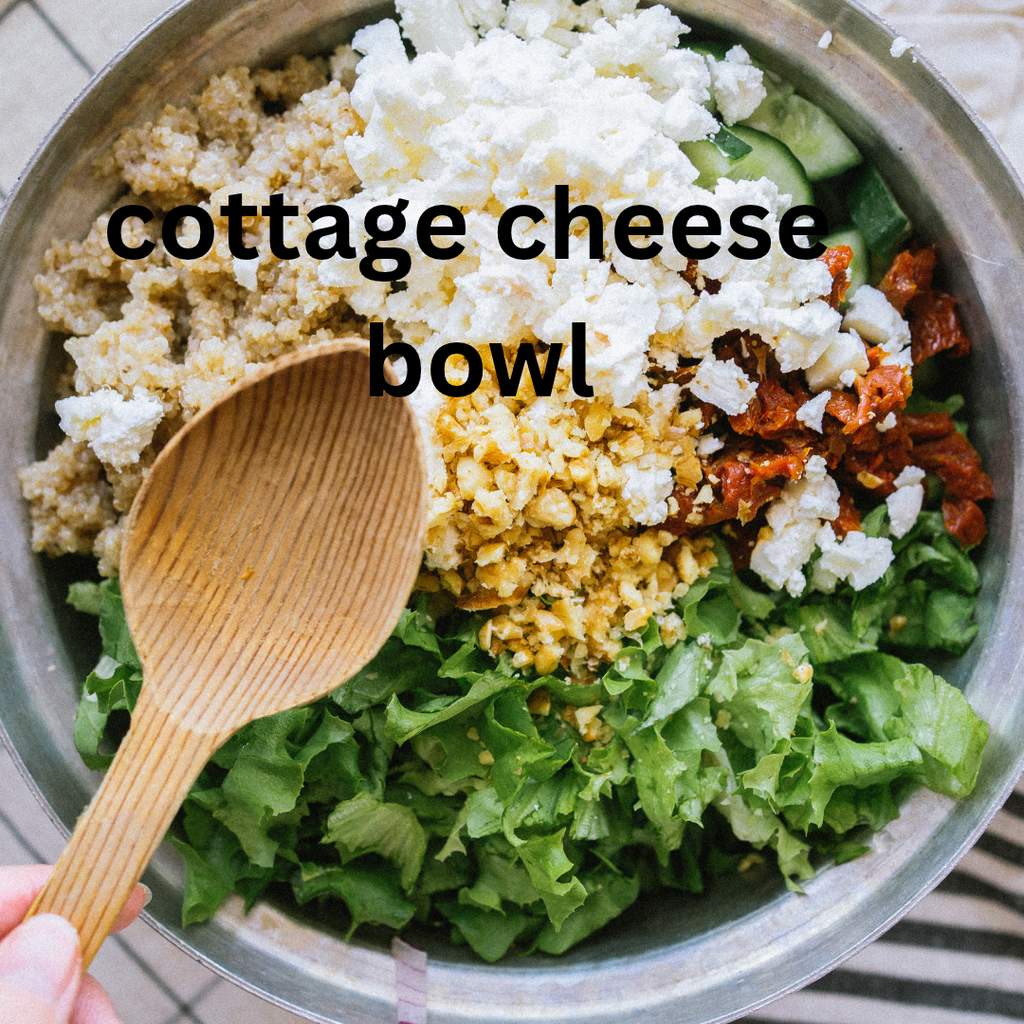
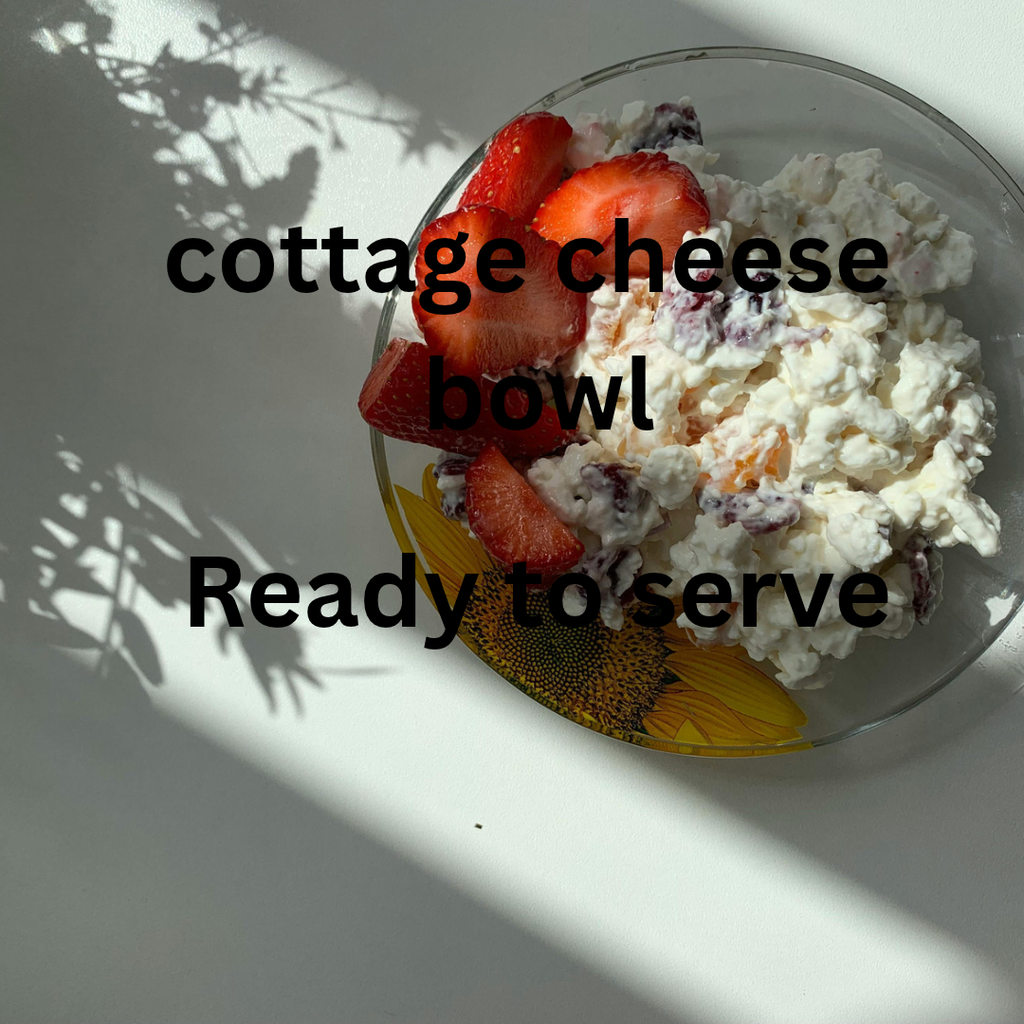
I used to think cottage cheese was best served with a few pieces of fruit or crackers. Then I started exploring different ways to use it in everyday cooking, and it quickly became one of those ingredients I always wanted to keep on hand. Its mild flavor or capable of being used for multiple purposes , whether you are preparing breakfast, making a quick lunch, or looking for something creamy to add to dinner.
Cottage cheese is especially useful when you want to add more protein to your meals . You can blend it into a smooth sauce, mix it into pancake batter, spread it over toast, or combine it with eggs and vegetables . It also works well in dips, baked dishes, and simple snacks. Because its flavor is gentle, it pairs easily with both sweet ingredients, such as berries and cinnamon, and savory ingredients, such as garlic, spinach, tomatoes, and fresh herbs
In this guide, we will focus on an easy, savory cottage cheese bowl that brings together creamy cottage cheese, fresh vegetables, herbs, and a few simple seasonings. It takes only a few minutes to prepare without cooking, If you are new to cottage cheese or simply need fresh ideas for using it, this recipe is a delicious place to start.
Why You’ll Love This Recipe
Quick and easy: You can prepare this cottage cheese bowl in just 10 minutes without stove or oven. A good source of protein: Cottage cheese provides protein that helps the muscles support and makes meal more enjoyable. Fresh and flavorful: Crisp cucumber, juicy tomatoes, herbs, and a little lemon juice balance the creamy texture of the cheese. Easy to customize: Add eggs, avocado, chickpeas, or whole-grain toast to suit your desire .
Ingredients List
This recipe makes two servings.
Main Ingredients
1 cup (about 225 g) cottage cheese 1/2 cup cucumber, finely diced 1/2 cup cherry tomatoes, quartered 2 tablespoons finely chopped red onion 1 tablespoon chopped fresh parsley 1 teaspoon fresh lemon juice 1 teaspoon extra-virgin olive oil 1/8 teaspoon garlic powder 1/8 teaspoon black pepper A small pinch of salt, if needed
Optional Toppings
1 tablespoon toasted pumpkin seeds 1/4 teaspoon dried oregano A few fresh basil leaves A pinch of red pepper flakes Whole-grain toast for serving
A note about cottage cheese: You can use full-fat, reduced-fat, or low-fat cottage cheese. Full-fat cottage cheese generally has a richer texture, while lower-fat varieties may be slightly less creamy. Check the nutrition label if you are tracking protein, calories, or sodium, as products vary by brand.
Step-by-Step Instructions
1: Prepare the Vegetables
Wash the cucumber, tomatoes, and parsley with water and dry it. Chop the cucumber into small pieces and cut the cherry tomatoes in four pieces . Finely chop the red onion and parsley.
Try to cut the vegetables in same size. Smaller pieces distribute more evenly through the cottage cheese, so you get a little crunch and freshness in every bite.
2: Prepare the Cottage Cheese
Divide the cottage cheese between two serving bowls. If you prefer a smoother texture, blend it in a small food processor for about 30 to 60 seconds before adding it to the bowls.
Blending is completely optional. Traditional cottage cheese has small, soft curds that give this recipe its natural texture. If you enjoy that texture, simply use it straight from the container.
3: Add the Fresh Ingredients
Add the diced cucumber, cherry tomatoes, red onion, and chopped parsley to the cottage cheese. Spread the ingredients properly over the surface, or gently stir them together if you prefer a more mixed texture.
If you are preparing this meal for guests, keep the vegetables on top for a colorful presentation. For an everyday lunch, mixing everything together is just as delicious.
4: Season the Bowl
Drizzle the lemon juice and olive oil on the ingredients. Sprinkle in the garlic powder and black pepper, then add the dried oregano or red pepper flakes if desired.
Stir gently until the seasonings are distributed throughout the bowl. Taste a small spoonful before adding salt. Cottage cheese can already contain a noticeable amount of sodium, so you may not need any extra.
5: Add Your Favorite Toppings
Finish the bowls with fresh basil or toasted pumpkin seeds. The seeds add a pleasant crunch, while fresh herbs make the flavor brighter.
serve the cottage cheese mixture with whole-grain toast or add a cooked egg. You can also pair it with a small side salad or roasted vegetables.
6: Serve and Enjoy
Immediately serve when the vegetables are crisp and fresh. The combination of creamy cottage cheese, juicy tomatoes, crunchy cucumber, and lemon creates a simple meal that feels fresh without too much preparation.
If you are making lunch for later, keep the chopped vegetables separate from the cottage cheese until you are ready to eat. This helps prevent excess moisture from collecting in the bowl.
Pro Tips
Choose the Right Cottage Cheese
Small-curd cottage cheese is a good choice for a traditional texture, and large-curd varieties create more noticeable soft pieces. If you prefer a smooth, spreadable consistency, blend the cottage cheese before using it.
Drain Watery Vegetables
Cucumbers and tomatoes release liquid after being chopped. If your vegetables are juicy, remove excess seeds from the cucumber or drain the chopped tomatoes briefly before adding them. This keeps the finished bowl from becoming watery.
Adjust the Flavor to Your Taste
For a Mediterranean-style bowl, add olives, oregano, and a little crumbled feta. For a spicy version, use chili flakes and freshly ground black pepper. If you prefer a milder flavor, replace the red onion with sliced spring onions.
Try Different Protein-Rich Additions
You can make this bowl more substantial by adding a boiled egg, cooked chicken, or chickpeas. Keep in mind that these additions change the total calories, protein, and other nutritional values.
Storage and Meal Prep
For the best texture, eat the prepared bowl shortly after assembling it. If you need to store leftovers, transfer them to an airtight container and refrigerate promptly at 40°F (4°C) or below. For best quality, eat the mixed bowl within about one day.
Do not leave the prepared dish at room temperature for more than two hours, or one hour when temperatures exceed 90°F (32°C). If the cottage cheese or vegetables smell unusual or show signs of spoilage, discard them.
For meal prep, store the cottage cheese and chopped vegetables in separate airtight containers. Assemble the bowl just before serving to maintain freshness and texture.
Frequently Asked Questions
1. What can I make with cottage cheese besides eating it plain?
Cottage cheese works in both sweet and savory recipes. You can use it to make pancakes, flatbread, creamy pasta sauce, egg bites, dips, breakfast bowls, and desserts. Blending it creates a smoother consistency that works especially well in sauces and spreads
2. Is cottage cheese a good source of protein?
Yes. Cottage cheese provides protein, calcium, and other nutrients. The amount of protein depends on the product and serving size, so check the nutrition label for the most accurate information. Pairing it with eggs, whole grains, vegetables, or other protein-rich foods can help create a more balanced meal.
3. Can I prepare cottage cheese recipes ahead of time?
Many cottage cheese dishes can be prepared ahead, but storage depends on the recipe. For fresh bowls, keep the vegetables separate until serving. Cooked recipes such as egg bites can be refrigerated in airtight containers and reheated as needed.
Disclaimer
This recipe is provided for general food and nutrition information. Nutritional values are estimates and may vary by brand, ingredients, and serving size. Cottage cheese products can differ in sodium content and may not be suitable for everyone, particularly people who need to follow specific dietary restrictions. Check product labels and consult a qualified healthcare professional or registered dietitian if you need personalized dietary advice.